
Posted in Car Accident
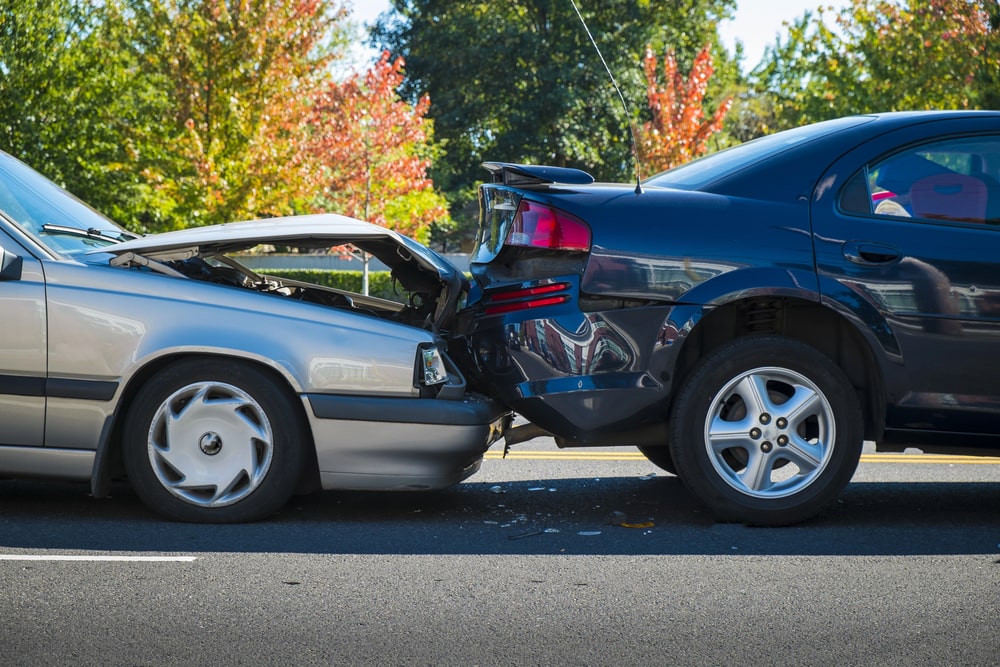
Rear-end collisions feel like the most clear-cut accidents there are. Someone hit you from behind. They must be at fault. End of story. In reality, Wisconsin’s fault analysis is more nuanced than that, and insurance companies know it. Understanding how fault actually gets evaluated in Wisconsin rear-end cases, and what arguments come up most often, helps Manitowoc area accident victims protect their claims from the start.
What Wisconsin Law Expects of Drivers Following Other Vehicles
Wisconsin requires drivers to maintain a safe following distance under Wisconsin Statute 346.14, which states that drivers must not follow another vehicle more closely than is reasonable and prudent, having due regard for the speed of the vehicles, the traffic, and the condition of the highway. That standard gives the trailing driver primary responsibility for maintaining enough distance to stop safely.
When a rear-end crash happens, this statute becomes the starting point for the fault analysis. The trailing driver, who had the responsibility to maintain a safe following distance, is typically presumed to have failed that obligation. Wisconsin isn’t technically a rear-end presumption state in the strict legal sense, but the practical effect of that statutory duty is that trailing drivers start from a disadvantaged position in the fault conversation.
When the Leading Driver Shares Fault
The presumption against the trailing driver isn’t absolute, and insurance companies defending rear-end claims often look for conduct by the lead driver that contributed to the accident. Common arguments include:
- The lead driver cut off the trailing driver, leaving insufficient space to stop
- The lead driver’s brake lights weren’t working, preventing the trailing driver from getting adequate warning
- The lead driver made an unexpected and sudden stop that no reasonable following driver could have anticipated
- The lead driver was reversing or moving backward at the time of impact
- The lead driver made an abrupt lane change immediately before the collision
Each of these arguments introduces comparative fault into what might otherwise look like a straightforward case. Under Wisconsin’s modified comparative fault system, if the lead driver is found to share some percentage of responsibility, their own recovery is reduced by that percentage, and if they’re found 51% or more at fault, they can’t recover at all.
A Manitowoc car accident lawyer evaluates the specific facts of a rear-end crash to determine whether any of these arguments have merit or whether they’re being manufactured by the other side’s insurer to reduce a valid claim.
Multi-Vehicle Chain Reaction Rear-End Crashes
On I-43 and other Manitowoc area highways, rear-end collisions sometimes involve more than two vehicles. One driver hits the vehicle in front of them, pushing it into the next vehicle, creating a chain reaction that can involve three or more cars. These multi-vehicle collisions create more complicated fault questions because each driver’s position in the chain, and their following distance and reaction time, becomes relevant.
In a chain reaction crash, the first vehicle to make contact may bear the most significant share of fault, but drivers further back in the chain who were also following too closely can share responsibility for the collision with vehicles ahead of them. Sorting out who bears what percentage requires examining the sequence of events, the damage patterns on each vehicle, and sometimes accident reconstruction analysis.
How Injuries From Rear-End Crashes Are Often Underestimated
Whiplash and soft tissue injuries are the most common result of rear-end collisions, and they’re also among the most contested injury types in insurance claims. Because these injuries are often invisible on standard imaging, insurers routinely characterize them as minor or exaggerated, even when they cause significant pain and functional limitation.
Getting prompt medical evaluation after any rear-end collision, even one that seems minor, creates the contemporaneous documentation that supports an injury claim. Symptoms that appear to resolve and then return, or that develop gradually in the days following a crash, are also well-documented in rear-end collision cases and deserve proper medical attention and documentation.
Hickey & Turim, S.C. represents car accident victims throughout Manitowoc and the surrounding area. If you were rear-ended and are dealing with injuries, disputed fault, or insurance company pressure to accept less than you’re owed, reach out to a Manitowoc car accident lawyer to discuss your situation and understand what Wisconsin law actually provides for victims in your position.