
Posted in Personal Injury
Walk into any retail store, and you’re surrounded by potential hazards. Most shoppers don’t think about them. They’re focused on finding what they need and getting home. But between the constant foot traffic, merchandise everywhere, and cleaning schedules that don’t always align with safety, these spaces can be dangerous. When someone falls in a store, it’s often because the business didn’t maintain safe conditions. Understanding what causes these accidents helps you recognize when a store has failed in its responsibilities.
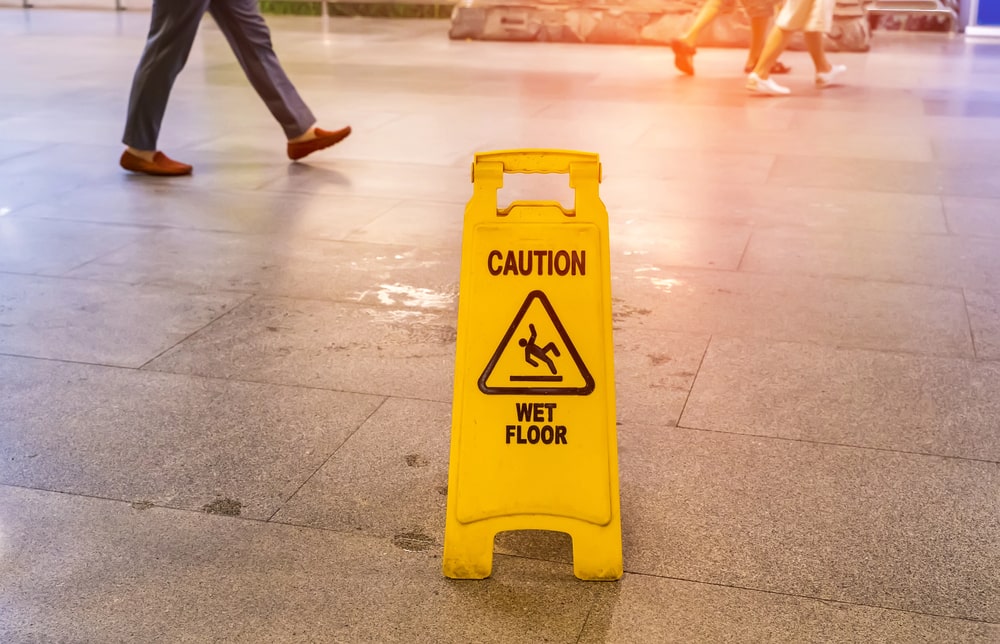
Wet And Slippery Floors
This one tops the list. Water and liquids on floors cause more customer falls than almost anything else. Sometimes it’s obvious. Other times, not so much. Here’s what creates these hazards:
- Rain, snow, or ice tracked in near entrances
- Spilled drinks or food in the aisles
- Freshly mopped areas without warning signs
- Leaking refrigeration units
- Condensation pooling around freezer cases
Stores need to address spills immediately. Warning signs should go up the moment someone starts mopping. When employees don’t act fast or skip the signage altogether, people get hurt. And the business may be liable.
Poor Lighting Conditions
You can’t avoid what you can’t see. Dim aisles make it nearly impossible to spot hazards on the floor. Burned-out bulbs in parking lots leave customers navigating in darkness. Shadowy stairwells become accident zones. Proper lighting isn’t optional. It’s a basic safety requirement that stores must maintain throughout their property, including those back areas where customers sometimes wander.
Cluttered Walkways And Aisles
Restocking happens during business hours. We all know this. But when merchandise boxes, shopping carts, and equipment block customer pathways, that’s a problem. Displays shouldn’t force shoppers to navigate obstacle courses. This gets worse during holiday seasons. Inventory turnover increases, and suddenly, there’s stuff everywhere. That doesn’t excuse blocking walkways. Hickey & Turim, S.C. has handled cases where cluttered aisles led to serious injuries that could’ve been prevented.
Damaged Flooring Surfaces
Floors wear out. Carpets fray. Tiles crack. That’s normal. What’s not acceptable is leaving these conditions unrepaired once they become hazardous. Worn carpeting creates tripping risks. Cracked tiles can catch shoe edges. Uneven transitions between different flooring types throw people off balance. Loose floorboards shift underfoot. Regular maintenance should catch these issues before someone falls.
Inadequate Floor Mats And Rugs
Entrance mats serve a real purpose. They reduce the moisture that customers track inside. But here’s the catch: when these mats bunch up, curl at the edges, or slide around, they become hazards themselves. Properly secured mats need tapered edges. They should stay in place. Otherwise, they’re creating the very problem they’re supposed to prevent.
Seasonal Weather Hazards
Wisconsin winters don’t mess around. Snow and ice accumulation in parking lots creates serious slip risks. Sidewalks turn into skating rinks. Building entrances become danger zones. Store owners can’t control the weather. They can control their response to it. Reasonable snow removal procedures aren’t optional. Salt and sand applications help prevent falls. When property owners skip these steps, and someone gets injured, a Franklin slip and fall lawyer can evaluate whether they met their legal obligations.
Unmarked Steps And Level Changes
Most people expect retail floors to stay level. So when there’s a step down or a subtle ramp, it catches them off guard. Without clear marking or handrails, these transitions cause falls. Simple visual indicators help. Warning signs work. Handrails provide support. None of this is complicated or expensive. But when stores skip these basic safety measures, customers pay the price.
Defective Shopping Carts And Equipment
A shopping cart with broken wheels doesn’t just wobble. It can cause you to lose balance completely. Step stools or ladders provided for reaching high merchandise need to be stable and functional. When equipment fails and causes a fall, that’s on the store. They’re responsible for maintaining what they provide to customers.
Fresh Produce And Product Displays
Grocery stores face unique challenges. One dropped grape can send someone sliding. Fallen vegetables create slippery patches. Broken jars leak. Crushed packaging spills contents onto the floors. Product samples sound like a nice touch until someone steps in one. These areas need frequent inspections and immediate cleanup. There’s no other way to keep them safe.
What Property Owners Must Do
Wisconsin law doesn’t leave this to chance. Property owners must maintain reasonably safe conditions for customers. That means regular inspections. Prompt removal of hazards. Adequate warnings when dangers cannot be fixed immediately. When stores breach this duty, and you get injured, they may owe compensation. Medical expenses add up fast. Lost income from missing work compounds the problem. Pain and suffering matter too.
If you’ve been injured in a retail store accident, documentation becomes important. Take photos of whatever caused your fall if you’re able. Get witness contact information. Request an incident report from the store. These details strengthen any potential claim. A Franklin slip and fall lawyer can review what happened and explain your legal options. Property owners have responsibilities. When they don’t meet them, and you suffer the consequences, you deserve compensation for pursuing recovery from the business that failed to keep you safe.