
Posted in Personal Injury
When you get hurt on someone else’s property, the specific way you fell can affect your legal case more than you might think. Insurance companies and property owners often focus on whether you slipped, tripped, or simply fell because each scenario involves different evidence and liability arguments. At Hickey & Turim, S.C., we handle all types of premises liability cases throughout Wisconsin. Knowing these distinctions helps you understand what matters in your claim.
What Makes A Slip Different From A Trip
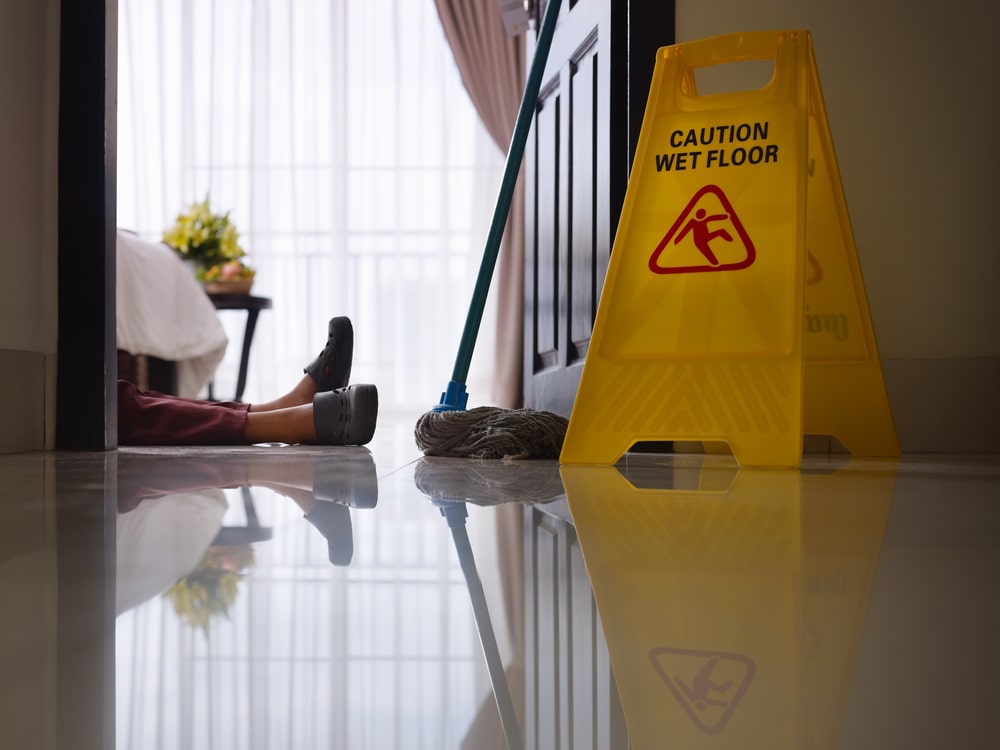
A slip happens when your foot loses traction with the surface underneath you. Think about stepping on a wet floor, walking across ice, or encountering a freshly waxed surface. Your foot slides out from under you, often sending you backward or to the side. Slip cases typically focus on:
- Surface conditions and maintenance
- Warning signs or their absence
- Cleaning procedures and timing
- Weather-related hazards like snow or ice
Property owners have a responsibility to maintain safe walking surfaces. When they fail to clean up spills, apply too much floor polish, or neglect icy walkways, they create slip hazards. A trip occurs when your foot catches on something that shouldn’t be there or isn’t visible. This could be a raised piece of carpeting, an unexpected step, debris in a walkway, or uneven pavement. Unlike slips, where you lose traction, trips involve an obstruction that stops your natural walking motion.
Why The Mechanism Matters In Your Case
Insurance adjusters look closely at how you fell because it determines what the property owner should have known or prevented. A West Bend slip and fall lawyer examines these details to build the strongest possible case. With slip accidents, the question centers on whether the property owner knew about the slippery condition or should have discovered it through reasonable inspection. Timing becomes important. A spill that happened 30 seconds before you walked through creates a different liability scenario than one that sat there for hours. Trip hazards often involve longer-standing conditions. A cracked sidewalk, broken stair, or protruding carpet edge typically exists for days, weeks, or months. This extended timeline can make it easier to prove the property owner had constructive notice of the dangerous condition.
What About Simple Falls
Not every injury involves slipping or tripping. Sometimes people fall without any loss of traction or obstruction. These cases might involve faulty handrails, broken stairs, inadequate lighting, or sudden changes in floor elevation without proper warnings. Falls that don’t fit the slip or trip categories still qualify as premises liability claims if property conditions contributed to the accident. Poor lighting that prevents you from seeing a step down, missing handrails on a staircase, or sudden floor level changes can all support valid injury claims.
Proving Your Type Of Fall
Documentation makes the difference between a successful claim and a denied one. Photographs of the exact spot where you fell, witness statements describing what they saw, and incident reports all help establish what happened. Medical records also play a role. The injury pattern often tells a story consistent with slipping backward, tripping forward, or falling from a height. Doctors’ notes about how you described the accident become part of your evidence. A West Bend slip and fall lawyer knows how to connect the physical evidence at the scene with your injuries and the property owner’s responsibilities under Wisconsin law.
Moving Forward With Your Claim
The distinction between slipping, tripping, and falling might seem technical, but it shapes how we approach your case. Each type of accident requires different evidence, focuses on different property owner duties, and faces different defense arguments from insurance companies. If you’ve been injured on someone else’s property, the specific details of how you fell matter less than getting proper legal guidance. Our team reviews the circumstances of your accident, gathers the necessary evidence, and builds a case that addresses the property owner’s specific failures. Contact our office to discuss what happened and how we can help you pursue fair compensation for your injuries.