
Posted in Personal Injury
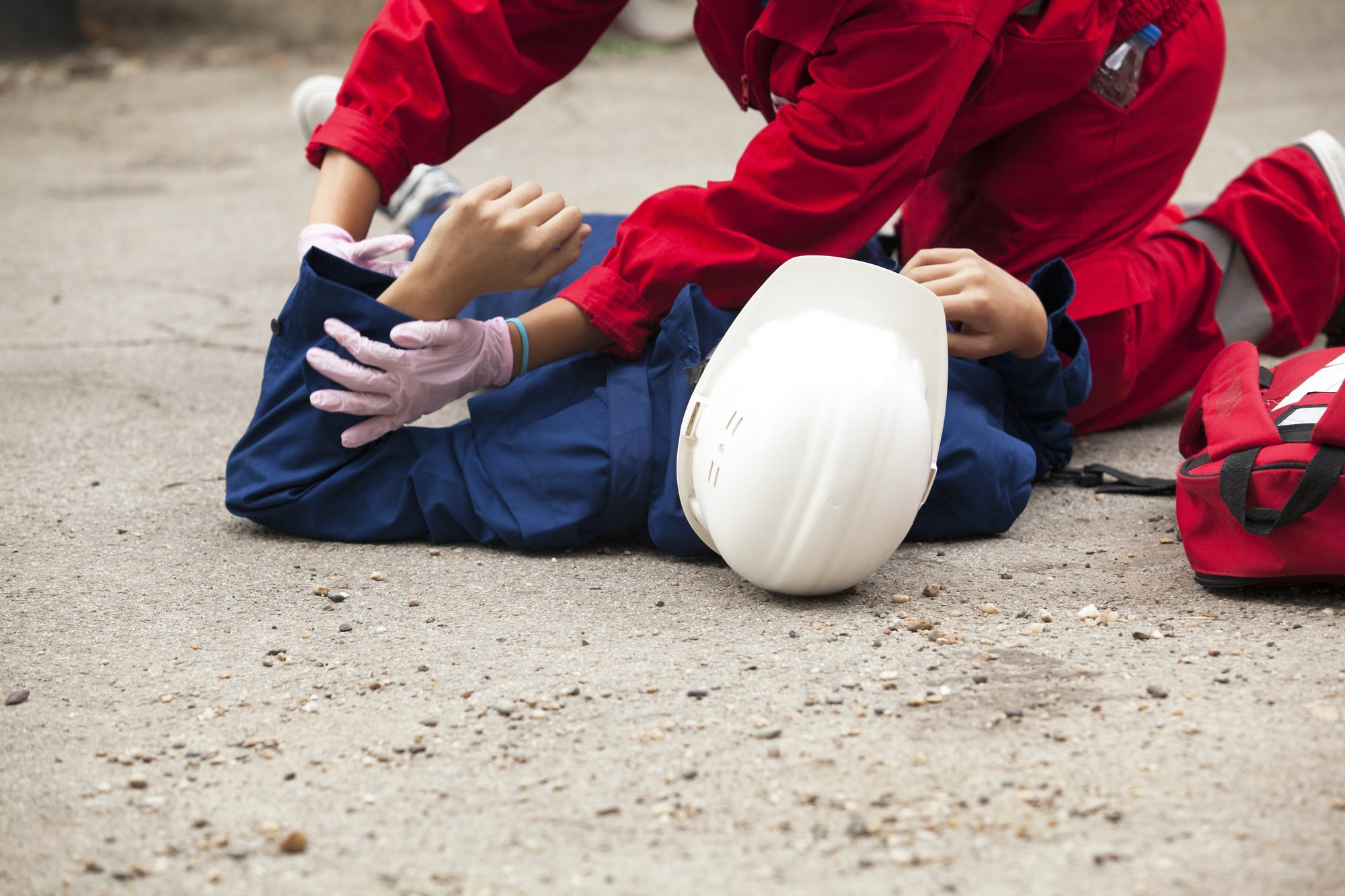
The risks present on a construction site are real and well-documented. Heavy machinery, working at height, electrical hazards, falling objects, and unstable surfaces create conditions where serious injuries happen, even on sites that follow safety protocols closely. When those protocols are not followed, or when negligence plays a role, the consequences for workers and bystanders can be severe and lasting.
Our friends at Marsh | Rickard | Bryan, LLC discuss construction accident cases with injured workers and their families who are often unsure which legal path applies to their situation. A construction injury lawyer handling a construction site injury claim will tell you that these cases frequently involve multiple overlapping legal frameworks, and sorting out which ones apply is one of the first things that needs to happen.
Workers’ Compensation vs. Third-Party Claims
This distinction matters enormously in construction injury cases. Most injured workers are entitled to file a workers’ compensation claim regardless of fault, which covers medical expenses and a portion of lost wages. Workers’ comp is a no-fault system, but it also limits what an employee can recover. Pain and suffering, for example, is not compensable through workers’ comp.
What construction accidents often present that other workplace injuries do not is the opportunity to pursue a separate third-party personal injury claim alongside the workers’ comp claim. Construction sites typically involve multiple employers, subcontractors, equipment vendors, and property owners operating in the same space. When someone other than your direct employer contributed to the accident through negligence, a third-party claim may be available, and that claim can include the full range of damages that workers’ comp excludes.
These two paths are not mutually exclusive. Pursuing both, where the facts support it, often produces a more complete recovery for the injured worker.
Who Can Be Held Liable on a Construction Site
Liability in construction accident cases can extend well beyond the immediate employer:
- General contractors responsible for overall site safety
- Subcontractors whose work or employees created the hazard
- Property owners who failed to maintain safe conditions on the site
- Equipment manufacturers if a defective tool or machine contributed to the injury
- Architects or engineers if a design flaw created an unsafe condition
- Staffing agencies that supplied inadequately trained workers
The Occupational Safety and Health Administration sets and enforces safety standards specifically for the construction industry. Violations of those standards, known as OSHA citations, can be powerful evidence of negligence in a construction injury lawsuit.
The Most Common Construction Accident Injuries
The types of injuries that occur on construction sites tend to be serious. OSHA identifies what it calls the Fatal Four as the leading causes of construction worker deaths: falls, being struck by objects, electrocution, and caught-in or caught-between accidents. Non-fatal injuries arising from these same hazards include traumatic brain injuries, spinal cord damage, crush injuries, amputations, severe burns, and multiple fractures. These are not minor setbacks. They often require extended medical treatment, long rehabilitation periods, and sometimes permanent modifications to how a person lives and works.
Steps That Protect a Construction Injury Claim
Acting carefully in the aftermath of a construction accident lays the groundwork for a stronger legal claim. The following steps are worth taking as soon as circumstances allow:
- Report the accident to your employer or site supervisor in writing and keep a copy
- Seek medical treatment immediately and follow all recommended care
- Photograph the accident scene, the hazard that caused the injury, and any visible injuries
- Identify and collect contact information from coworkers or bystanders who witnessed the accident
- Preserve any equipment, tools, or materials involved in the incident
- Request copies of any incident reports filed by the employer or site manager
- Avoid signing any releases or waivers before speaking with an attorney
Why These Cases Need Early Attention
Construction accident investigations can become complicated quickly. Multiple parties begin protecting their interests as soon as an injury is reported. Evidence at the scene may be altered or removed. Witness accounts become harder to obtain as time passes. The sooner a legal review of the facts begins, the better positioned an injured worker is to preserve what matters and understand the full scope of what they may be entitled to recover.
Getting the Right Legal Help After a Construction Injury
If you or a family member has been injured on a construction site, our team is here to evaluate both the workers’ compensation and the third-party personal injury dimensions of your case. Construction accident claims require a thorough understanding of safety regulations, multi-party liability, and the full range of damages available. Reaching out to us early gives your case the foundation it needs.